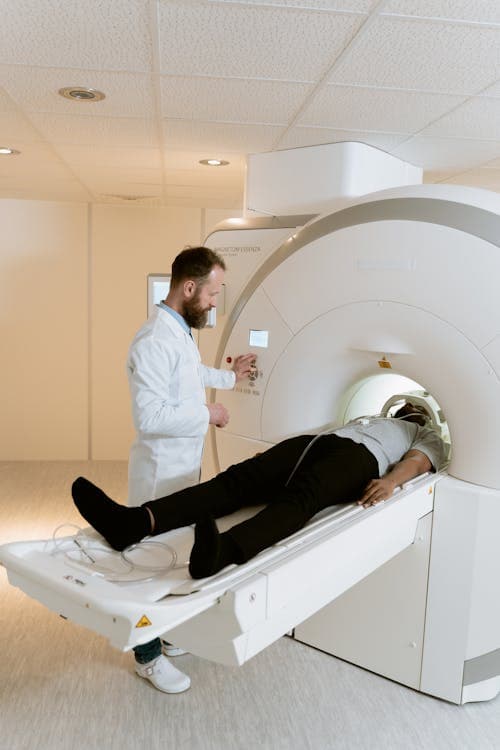

The cost of IVF — often $15,000–$30,000 or more for a single cycle with medications and testing — is a barrier that stops many families before treatment ever begins. But there is a category of financial assistance that doesn't require a good credit score or collateral: fertility grants and scholarships.
Grants are awarded, not loaned. You don't repay them. And while they're competitive, thousands of patients receive fertility grant awards every year. This guide covers every major program available in 2025, with details on eligibility, award amounts, application windows, and strategies that help applicants stand out.
Why Fertility Grants Exist
Fertility grants are funded by foundations, pharmaceutical companies, advocacy organizations, and individual donors who recognize that infertility treatment is out of financial reach for many people who would otherwise qualify medically. Some programs were founded by individuals who struggled with infertility themselves and wanted to help others; others are funded as part of a clinic's or pharma company's community benefit mission.
The grants available in 2025 range from a few thousand dollars to $15,000 or more, and cover IVF cycles, frozen embryo transfers, donor egg procedures, IUI, and in some cases, adoption.
Reducing Fertility Costs at Home
Before committing to expensive clinical treatment, some patients explore whether simpler interventions can help first.
For many individuals and couples, at-home insemination is a practical first step that costs far less than clinical treatment. MakeAMom offers reusable home insemination kits — including the CryoBaby, Impregnator, and BabyMaker — designed for a range of sperm and sensitivity situations.
Explore home insemination kits at MakeAMom →
Complete Grant Database: 15+ Programs for 2025
1. BabyQuest Foundation
Website: babyquestfoundation.org
Award amount: Up to $15,000 (some grants are partial; full grant covers a complete IVF cycle)
Eligibility:
- U.S. citizens or legal residents
- Medical diagnosis of infertility or other condition requiring IVF/IUI/donor egg/surrogacy
- Financial need demonstrated through application
- LGBTQ+ families and single parents are eligible
- No minimum income requirement but financial need is weighed
Application cycles: BabyQuest accepts applications twice per year — typically spring and fall. Exact dates announced on their website.
What it covers: IVF, frozen embryo transfer, IUI, donor egg cycles, gestational surrogacy
Notes: One of the most respected and well-funded fertility grant programs in the US. Competition is significant; well-written personal essays carry substantial weight.
2. Tinina Q. Cade Foundation
Website: cadefoundation.org
Award amount: Up to $10,000
Eligibility:
- Married couples (heterosexual couples are the primary focus of most grants)
- Medical infertility diagnosis
- U.S. residents
- Financial need
- Priority to applicants with no insurance coverage
Application cycles: Annual; check the website for current cycle dates.
What it covers: IVF, IUI, donor cycles
Notes: Founded by Tinina Q. Cade, a former fertility patient. The foundation runs the "Family First Fertility Grant" program.
3. RESOLVE Hope Award for Fertility Access
Website: resolve.org/support/grants
Award amount: Varies by clinic partner; typically $5,000–$15,000 in treatment services
Eligibility:
- Varies by clinic partner; must apply through a RESOLVE-partnered clinic
- Infertility diagnosis typically required
- Financial need
Application cycles: Partners with clinics nationwide; each clinic's program has its own timeline.
What it covers: IVF, IUI, and other treatments (varies by clinic program)
Notes: RESOLVE partners with fertility clinics nationwide that fund grant cycles as part of their community benefit programs. Check RESOLVE's website for participating clinics in your area. This program is effectively a nationwide network of clinic-based grants.
4. Heart of a Mother Foundation
Website: heartofamother.org
Award amount: Up to $3,000
Eligibility:
- Women who have experienced infertility challenges
- U.S. residents
- Application essay required
- Financial need considered
Application cycles: Rolling applications with periodic review
What it covers: IVF and other fertility treatment costs
Notes: Smaller award amount than some programs, but more accessible application process and rolling review makes this a good option to apply alongside larger grant programs.
5. Pay It Forward Fertility Foundation
Website: payitforwardfertility.org
Award amount: Varies; typically $3,000–$10,000
Eligibility:
- Heterosexual married couples
- Infertility diagnosis
- Financial need
- U.S. residents
Application cycles: Annual or semi-annual; check website
What it covers: IVF cycles
Notes: Founded by fertility patients to support other couples. Emphasis on financial need and personal essays.
6. EMD Serono Compassionate Care Program
Website: emdserono.com (search Compassionate Care)
Award amount: Discount (up to 75%) or free fertility medications
Eligibility:
- Household income thresholds (varies by program; roughly under $100,000 per year for full discount)
- Participating prescriber and pharmacy required
- Medical necessity documentation
Application cycles: Year-round, rolling applications
What it covers: EMD Serono fertility medications (including Gonal-F, Cetrotide, Ovidrel, Follistim equivalents)
Notes: This is a pharmaceutical patient assistance program, not a direct grant, but the savings on medications can be substantial — thousands of dollars per cycle. Fertility medications represent 20%–35% of total IVF costs, so this program can make IVF financially viable even when a grant for the procedure itself isn't available.
7. Ferring Pharmaceuticals Patient Assistance Program
Website: ferringfertility.com
Award amount: Free or discounted fertility medications
Eligibility:
- Income-based eligibility (under approximately $100,000 household income)
- Prescription from participating reproductive endocrinologist
- Documented insurance status
Application cycles: Year-round
What it covers: Ferring fertility medications including Menopur, Bravelle, Repronex, Endometrin
Notes: Similar to the EMD Serono program; focused on medication cost reduction.
8. Livestrong Fertility
Website: livestrong.org/we-can-help/livestrong-fertility
Award amount: Discounted fertility preservation treatment and storage
Eligibility:
- Cancer diagnosis (must be an oncology patient)
- Referral from oncologist
- U.S. residents
- Partnered with a network of fertility clinics
Application cycles: Rolling; apply as soon as cancer diagnosis is received to maximize time before treatment
What it covers: Egg freezing, sperm banking, embryo cryopreservation for cancer patients
Notes: This program specifically serves cancer patients who need to preserve fertility before beginning cancer treatment. If you or your partner have a cancer diagnosis, this should be the first fertility assistance program you contact — time is often critical before chemotherapy or radiation begins.
9. Alliance for Fertility Preservation
Website: allianceforfertilitypreservation.org
Award amount: Varies; financial assistance for fertility preservation
Eligibility:
- Medical necessity (cancer, other iatrogenic conditions)
- Financial need
- U.S. residents
Application cycles: Rolling
What it covers: Egg freezing, sperm banking for patients facing medical treatments that threaten fertility
10. ASRM Patient Assistance Resources
Website: asrm.org/patients
Award amount: Varies (directory of multiple programs)
Eligibility: Varies by program
Application cycles: Varies
Notes: The American Society for Reproductive Medicine (ASRM) maintains a directory of patient financial assistance resources, including pharmaceutical programs, clinic-based grants, and advocacy organization resources.
11. Carolyn's Compassionate Care (International Fertility Center)
Website: international-fertility.com/compassionate-care
Award amount: Reduced-cost IVF cycles
Eligibility:
- Women under a specified age (clinic policy)
- Medical infertility diagnosis
- Financial need
Application cycles: Rolling
What it covers: IVF cycles at discounted rates
12. The Fertility Warriors Foundation
Website: thefertilitywarriorsfoundation.org
Award amount: Varies; multiple grant programs
Eligibility:
- Financial need
- Infertility diagnosis
- U.S. residents
Application cycles: Annual
What it covers: IVF, IUI, fertility counseling
13. Gift of Parenthood Foundation
Website: giftofparenthood.org
Award amount: $500–$5,000
Eligibility:
- Married couples
- Infertility diagnosis
- Financial need
Application cycles: Annual
What it covers: IVF, IUI, fertility medications
14. The Nest Egg Program (Various Fertility Clinics)
Many individual fertility clinics operate their own "nest egg" or charitable grant programs under various names. These clinic-specific programs fund one or more IVF cycles per year for local patients who demonstrate financial need.
To find clinic-specific programs:
- Ask each clinic you contact: "Do you offer any financial assistance, grant, or charity cycle programs?"
- Search the clinic's website for "financial assistance" or "grant"
- Ask your reproductive endocrinologist directly
15. State-Sponsored Fertility Assistance Programs
A small number of states have introduced or are considering direct financial assistance programs for fertility treatment. As of 2025, these are rare, but monitor your state health department and RESOLVE's legislative tracker for developments.
Grant Comparison Table
| Program | Max Award | IVF Covered? | LGBTQ+ Eligible? | Financial Need Required? |
|---|---|---|---|---|
| BabyQuest Foundation | $15,000 | Yes | Yes | Yes |
| Cade Foundation | $10,000 | Yes | Limited | Yes |
| RESOLVE Hope Award | Varies | Yes | Varies | Yes |
| Heart of a Mother | $3,000 | Yes | Yes | Yes |
| Pay It Forward | $10,000 | Yes | Limited | Yes |
| EMD Serono Compassionate Care | Medication discount | Medications | Yes | Yes |
| Livestrong Fertility | Varies | Preservation | Yes | Yes |
| Gift of Parenthood | $5,000 | Yes | Limited | Yes |
Tips for a Strong Fertility Grant Application
1. Apply to Multiple Programs Simultaneously
Most grant programs are not exclusive — you can apply to several at once. Given acceptance rates, applying to 5–10 programs significantly increases your chances of receiving at least one award. Create a tracking spreadsheet with each program's deadline, requirements, and status.
2. Write a Compelling Personal Essay
Most grants ask for a personal essay or story explaining your fertility journey and why you need financial assistance. Strong essays:
- Are specific and personal, not generic
- Explain your medical history clearly without excessive medical jargon
- Describe the emotional and personal impact of infertility on you and your family
- Articulate what receiving the grant would mean and how it would be used
- Are professionally written and proofread — grammar and spelling errors hurt your application
3. Demonstrate Financial Need Clearly
Most programs assess financial need. Provide accurate, complete financial documentation. Be transparent about your income, assets, existing debt, insurance status, and what you've already spent on fertility treatment.
4. Get a Supportive Letter from Your Reproductive Endocrinologist
A letter from your RE explaining your diagnosis, treatment plan, and medical necessity can strengthen applications that require physician support. Ask your RE well in advance of application deadlines.
5. Follow All Instructions Precisely
Grant reviewers eliminate applications that are incomplete or that don't follow submission requirements. Read instructions carefully, meet the word count requirements for essays, and submit all required documents.
6. Apply Early
For grant programs with rolling review, earlier applications often receive more careful review. Don't wait until the deadline.
7. Reapply If Denied
Many successful grant recipients applied more than once before being awarded. If you're denied, ask whether feedback is available, improve your application, and reapply in the next cycle.
Combining Grants with Other Financing
Grants work best as part of a broader financial strategy. Consider combining grant funding with:
- HSA/FSA pre-tax savings for the remaining balance
- IVF-specific loans for any gap not covered by grants
- Employer fertility benefits if available
For a complete overview of all financing options, see our IVF Financing Options guide and our IVF Cost Breakdown for 2025.
Grant programs, eligibility requirements, and award amounts change frequently. Always verify current information directly with each organization. This guide is for informational purposes only.