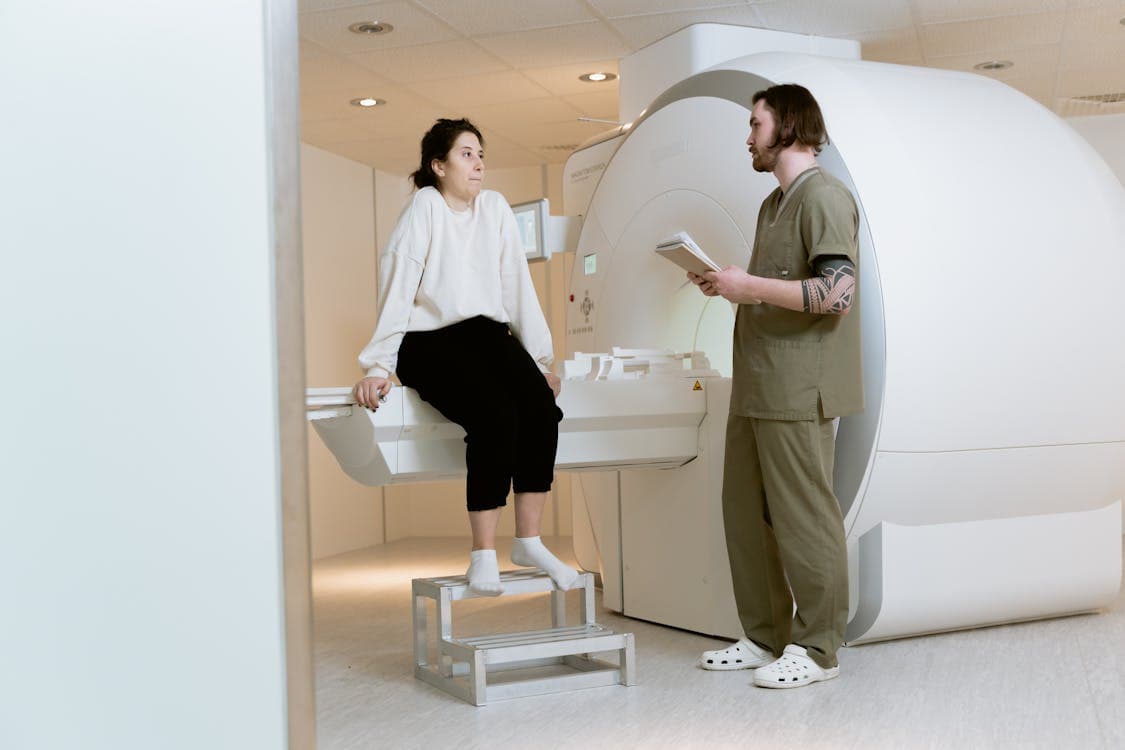

New York City has one of the densest concentrations of fertility clinics in the world. From Manhattan to Brooklyn, the Bronx to Queens, patients have access to independent reproductive endocrinology practices, large multi-location networks, and world-renowned academic medical programs. That abundance of choice is genuinely valuable — but it also makes the selection process more complicated.
This guide walks you through what to look for, how to interpret clinic data, and how New York's insurance laws affect your options. We do not endorse or rank specific clinics; instead, we direct you to the verified public resources — SART.org and the CDC ART database — where you can evaluate real outcomes.
The NYC Fertility Landscape
New York City is home to well over 30 clinics that report to the Society for Assisted Reproductive Technology (SART). That number includes large multi-site practices, hospital-based programs affiliated with institutions like Weill Cornell Medicine, NYU Langone, and Columbia University Irving Medical Center, as well as dozens of independent practices across the five boroughs and nearby suburbs.
The city's high cost of living shapes the market in notable ways. Clinic overhead, real estate, and staffing costs are substantially higher than in most other US cities, and those costs are passed on to patients — particularly those without insurance coverage. At the same time, New York's strong insurance mandate (see below) means that a larger share of NYC patients are covered for IVF than in most states, which affects clinic volume and the patient experience.
Academic medical centers in NYC tend to attract more complex cases — patients with diminished ovarian reserve, recurrent pregnancy loss, or rare diagnoses — and they often conduct ongoing research that may be relevant to your specific situation. Smaller independent practices may offer more personalized attention and shorter wait times, but outcomes vary widely and require careful review.
What to Look For in NYC Fertility Clinics
SART vs. CDC Reporting
All fertility clinics in the US are required by federal law (the Fertility Clinic Success Rate and Certification Act) to report their ART cycle outcomes to the CDC. SART member clinics also submit data to their own registry, and SART performs additional data validation. Both datasets are publicly accessible:
- SART Clinic Summary Report: sart.org/patients/a-patients-guide-to-assisted-reproductive-technology/clinics/
- CDC ART Data: cdc.gov/art
When comparing NYC clinics, look at outcomes stratified by age group and by diagnosis. A clinic that looks strong on overall statistics may be selecting easier cases; a clinic with lower headline numbers may be accepting more complex patients. Volume matters too — clinics performing fewer than 100 cycles per year have wider statistical uncertainty in their results.
Patient Mix and Case Complexity
New York attracts patients from around the world seeking second opinions and specialized care. This means some clinics routinely treat patients who have failed cycles elsewhere, which depresses their headline success rates relative to clinics that primarily treat first-time IVF patients. When reviewing data, look for SART's "predicted vs. observed" success rate metrics, which attempt to adjust for patient prognosis.
Geography and Logistics in a Dense City
NYC's size and transit patterns matter for fertility treatment logistics. IVF monitoring appointments typically occur early in the morning (often before 8 AM) and require multiple visits per cycle. A clinic in Midtown Manhattan may be convenient from most of the city by subway, but parking is expensive and limited. Clinics in outer boroughs or New Jersey may be easier to reach by car. Factor commute time and flexibility into your decision — especially if you work demanding hours.
Key Questions to Ask Any NYC Clinic
Before choosing a clinic, prepare a list of questions covering clinical outcomes, laboratory quality, and patient experience. Our full guide at how to choose a fertility clinic covers this in detail, but here are questions especially relevant to the NYC market:
- What percentage of your patients have insurance coverage, and how do you support uninsured patients? High-mandate markets like New York sometimes see clinics that are less experienced navigating out-of-pocket costs.
- What is your lab's quality certification, and who runs the embryology laboratory? Lab director experience and accreditation (CAP, CLIA) are critical.
- How do you handle cycle monitoring — can I do monitoring at a satellite location? In NYC, some large practices offer monitoring at multiple sites, which saves commute time.
- What is your policy on elective single embryo transfer (eSET)? New York mandate plans may push for eSET; understand the clinic's philosophy.
- Do you offer shared-risk or refund programs? Given NYC's high costs, these programs can meaningfully affect financial risk.
How to Access SART and CDC Data for NYC Clinics
To look up any specific NYC clinic's reported outcomes:
- Go to sartcorsonline.com and use the clinic search tool.
- Filter by state (New York) and then narrow by city or zip code.
- Review the multi-year summary report, which shows live birth rates per intended egg retrieval, broken down by patient age group (<35, 35–37, 38–40, 41–42, 43+).
- Cross-reference with the CDC ART data at cdc.gov/art for an independent data source.
You can also use Fertlo.com to browse clinic profiles in the NYC area, including links to SART data for individual practices.
New York State Insurance Mandate
New York has one of the most comprehensive fertility insurance mandates in the country. As of the current law:
- Large group plans (employers with 100 or more employees) are required to cover up to 3 IVF cycles per covered person, plus diagnostic and treatment services for infertility.
- Individual and small group marketplace plans have more limited coverage requirements; check your specific plan.
- Self-insured employer plans (ERISA plans) are not subject to state mandates, regardless of employer size.
This means if you work for a large New York employer and your plan is fully insured (not self-insured), your IVF coverage may be substantially better than the national average. The first step is confirming with your HR department or insurance carrier whether your plan is fully insured and what the specific fertility benefits are.
For a state-by-state comparison of fertility mandates, see our guide to fertility insurance mandates by state.
LGBTQ+ Considerations in NYC
New York City has long been a leader in LGBTQ+ affirming reproductive care. Most major fertility centers in the city have dedicated programs serving same-sex couples, single parents by choice, and transgender and nonbinary patients. When evaluating clinics, look for:
- Staff trained in LGBTQ+ family building pathways
- Experience with reciprocal IVF (also called partner IVF or co-IVF) for female couples
- Known donor and anonymous donor sperm and egg programs
- Surrogacy coordination services or referral networks
- Intake forms that include inclusive gender and relationship options
New York is generally a favorable legal environment for LGBTQ+ family building. Both partners in a same-sex couple can typically be listed on a birth certificate with proper legal documentation, and the state has protections for surrogacy arrangements.
Cost Context for NYC
Without insurance, a single IVF cycle in New York City typically costs between $15,000 and $25,000, which is higher than the national average of roughly $12,000–$15,000 per cycle. Medication costs (typically $3,000–$7,000 per cycle) are roughly similar nationwide but may vary by pharmacy.
Add-on procedures — preimplantation genetic testing (PGT-A), embryo freezing and storage, ICSI, and assisted hatching — each carry additional fees. Egg freezing cycles typically run $6,000–$12,000 for the retrieval, plus ongoing annual storage fees.
For a full breakdown of what drives IVF costs, see our IVF cost breakdown guide.
If you have insurance coverage under New York's mandate, your out-of-pocket costs can be dramatically lower — sometimes limited to copays and deductibles — though this varies significantly by plan.
Exploring Lower-Cost First Steps?
Before committing to a full IVF cycle in New York City, many individuals and couples start with at-home insemination. MakeAMom makes reusable at-home insemination kits — including the CryoBaby for frozen or low-volume sperm, the Impregnator for low-motility sperm, and the BabyMaker for those with sensitivities — that can be used at home without a clinical appointment.
Explore home insemination kits at MakeAMom →
Tips for Evaluating Online Reviews of NYC Fertility Clinics
Online reviews of fertility clinics should be read carefully and critically. A few things to keep in mind:
- Healthgrades and Google reviews reflect patient experience but not clinical outcomes. A clinic with warm staff and a beautiful office may not have the strongest embryology lab.
- Review volume matters. A clinic with 400 reviews is statistically more informative than one with 12, even if the average rating is similar.
- Look for specifics. Reviews that mention specific staff members, cycle details, or communication patterns are more informative than generic praise or criticism.
- Check the date. Fertility clinic quality can change significantly with lab director turnover or a change in ownership. Weight recent reviews more heavily.
- SART profiles are the gold standard for outcomes. Use online reviews to evaluate patient experience; use SART and CDC data to evaluate clinical results.
Also check whether the clinic is SART-member and whether they are accredited by the College of American Pathologists (CAP) — both are minimum indicators of quality and transparency.
FAQ: Choosing a Fertility Clinic in New York City
Q: Does New York's IVF mandate mean I won't have any out-of-pocket costs?
Not necessarily. The mandate requires coverage of up to three IVF cycles for eligible plans, but you may still owe deductibles, coinsurance, and fees for add-on procedures that aren't separately mandated. Always confirm your specific benefits with your insurer before starting treatment.
Q: Should I choose an academic medical center or a private practice in NYC?
It depends on your diagnosis and priorities. Academic centers may be better for complex cases and research access; private practices may offer more continuity of care and shorter wait times for routine cases. See our guide to how to choose a fertility clinic for a full framework.
Q: How do I know if a clinic's success rates are real?
All SART member clinics submit data that is independently validated. Look up the clinic directly on SART.org and cross-reference with the CDC ART database. Be skeptical of success rates advertised on clinic websites that are not linked to SART or CDC data — those numbers are unverified.
Q: How many clinics should I consult before choosing?
Most fertility specialists recommend consulting at least two clinics before starting treatment, especially in NYC where options are plentiful. Initial consultations are typically covered by insurance if you have fertility benefits, so there is little financial barrier to getting a second opinion. Review ivf success rates by age before your consultations so you can ask informed questions.
Browse New York City Fertility Clinics
Ready to compare clinics? Use the Fertlo directory to filter New York City fertility clinics by treatment type, ratings, and LGBTQ+ affirmation.