The Center for Human Reproduction (CHR) is located at 21 E 69th Street in Manhattan — on the Upper East Side, in one of New York City's most storied medical neighborhoods, steps from Central Park and within a short walk of many of the city's foremost academic medical institutions. With a 4.6-star rating from 204 patient reviews, CHR earns some of the highest scores of any fertility practice in New York City, with patients describing the clinical team as remarkably knowledgeable, genuinely caring, and particularly skilled at handling difficult and complex cases that have not responded to standard treatment elsewhere. CHR is explicitly LGBTQ+-inclusive. New York's fertility insurance mandate applies to many eligible patients. For a full directory of New York fertility providers, see the New York fertility clinics directory.
Physicians and Clinical Team
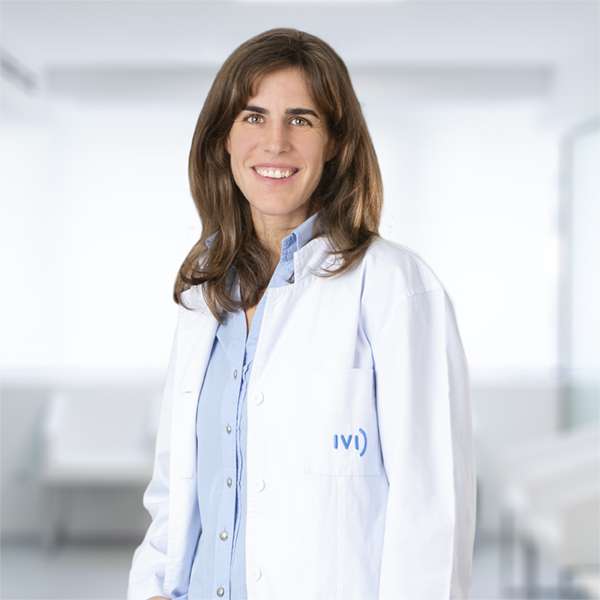
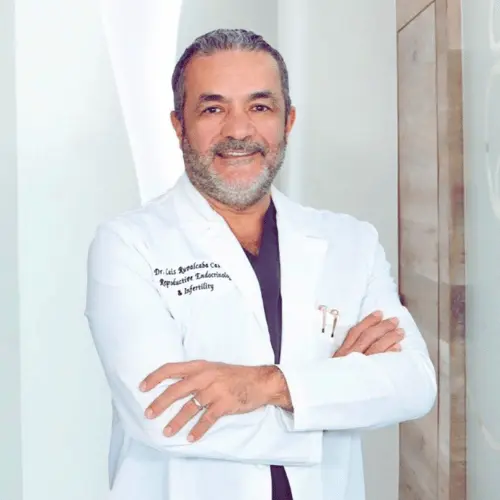
The Center for Human Reproduction was founded by Dr. Norbert Gleicher, one of the world's most published and cited reproductive endocrinologists, with a particular focus on diminished ovarian reserve, reproductive immunology, and poor ovarian response — areas where CHR has developed internationally recognized expertise. Dr. Gleicher and his colleagues, including Dr. David Barad (also a leading researcher in ovarian reserve and DHEA supplementation), have contributed groundbreaking work to the field of reproductive immunology, including research on the role of autoimmune factors in recurrent implantation failure and recurrent pregnancy loss. The team at CHR is known for taking on difficult cases that larger mainstream fertility programs may not approach with the same level of individualization. For current physician information, visit centerforhumanreprod.com or call (212) 994-4400.
Services and Treatments
- IVF with ICSI for complex and standard cases
- Specialized protocols for diminished ovarian reserve (DOR)
- Minimal-stimulation IVF and mini-IVF approaches
- Reproductive immunology evaluation and treatment
- Recurrent pregnancy loss and recurrent implantation failure workup
- Preimplantation genetic testing (PGT-A and PGT-M)
- Frozen embryo transfer (FET)
- Egg freezing for elective and medical fertility preservation
- Intrauterine insemination (IUI)
- Donor egg IVF
- Donor sperm cycles
- Gestational carrier coordination
- LGBTQ+ family building pathways
- Endometriosis and uterine factor evaluation
- Male factor evaluation and semen analysis
- DHEA supplementation protocols for poor ovarian response
- Second-opinion consultations for failed IVF cycles
Laboratory and Success Rates
CHR operates a New York-based IVF laboratory where fertilization, embryo culture, and cryopreservation are performed. The laboratory supports the clinic's research-oriented protocols, including studies on low-stimulation approaches for poor ovarian responders. CHR publishes extensively on its outcome data; patients who have been told they are poor candidates for IVF at other centers may find CHR's published literature on diminished ovarian reserve particularly informative. Patients should review the most current cycle-level data published by the CDC's ART Surveillance program and the SART Clinic Summary Report.
Patient Experience
The East 69th Street address places CHR in the heart of Manhattan's medical corridor — between Fifth Avenue and Park Avenue on the Upper East Side, surrounded by Weill Cornell Medicine, Memorial Sloan Kettering Cancer Center, Hospital for Special Surgery, and New York-Presbyterian. Patients can reach the clinic by subway (4/5/6 at 68th St-Hunter College, or Q at 72nd St), by bus, or on foot from adjacent Manhattan neighborhoods. The setting is urbane and intimate — CHR is a boutique practice by New York standards, deliberately limited in size to allow the physician team to maintain close engagement with each patient's case.
CHR's international reputation — particularly for managing diminished ovarian reserve and complex immunological fertility cases — draws patients from outside New York City, from other US states, and from abroad. The practice functions in part as an international referral center for patients who have been unsuccessful elsewhere, and the physician team is experienced at reviewing prior cycle records in detail and proposing evidence-based protocol changes. This is a practice where patients who have been through multiple failed IVF cycles and who want a deeply considered second opinion will find a clinical environment that matches their needs.
The LGBTQ+ inclusive orientation at CHR means that same-sex couples, single parents, and transgender patients receive care designed to meet their family building goals without need for advocacy or explanation of their family structure.
Considering At-Home Insemination?
Not every fertility journey begins in a clinic. At-home intracervical insemination (ICI) is a lower-cost, private option that suits patients with no known fertility diagnosis — including single parents by choice, same-sex couples, and people who want to try a few cycles before committing to clinical treatment.
At-home insemination kits like those from MakeAMom come with step-by-step instructions designed for donor or partner sperm. Kits are a one-time purchase that can be reused until conception succeeds, require no clinic visit, and arrive in plain, discreet packaging. Many patients use them as a first step while working toward a fertility consultation — or alongside ovulation tracking while they wait for an appointment slot.
If you have a known fertility diagnosis, have been trying for 12 months without success (six months if you're over 35), or your physician has already recommended IUI or IVF, a board-certified reproductive endocrinologist is the right next step.
Insurance and Financing
New York State's fertility insurance mandate requires large-group insured plans to cover up to three IVF cycles. This applies to fully insured New York-regulated plans; self-insured ERISA plans are exempt. CHR's billing team can assist with benefits verification. International and out-of-state patients who travel to CHR may not have New York mandate coverage through their home-state plans — these patients should discuss out-of-pocket expectations at the time of the initial consultation. CHR's focus on complex cases means that some cycles may involve additional immunological testing or treatment that adds to the standard IVF cost; the financial team can help patients understand what a full course of evaluation and treatment is likely to cost.
Frequently Asked Questions
What is CHR's specialty in diminished ovarian reserve? CHR, under Dr. Gleicher and Dr. Barad, has published extensively on the treatment of women with diminished ovarian reserve (DOR) — low ovarian reserve as measured by AMH or antral follicle count. CHR has advocated for modified stimulation protocols and the use of DHEA supplementation in select patients with DOR, and has published outcome data suggesting that some patients told they cannot conceive with their own eggs may still do so with specialized protocols.
What is reproductive immunology and does CHR specialize in it? Reproductive immunology examines the role of the immune system in fertility and pregnancy — including its potential contributions to recurrent implantation failure and recurrent pregnancy loss. CHR has published extensively in this area and offers immunological evaluation and treatment for patients whose repeated IVF failures may have an immune component. This is a specialized area not offered at all fertility centers.
Does CHR offer remote consultations for patients outside New York? CHR is experienced with out-of-state and international patients. Initial consultations by phone or video may be available for patients doing preliminary evaluation before deciding whether to travel to New York. Ask the clinic directly about telemedicine options when inquiring.
How does CHR compare to larger Manhattan fertility programs like Cornell or NYU? Cornell and NYU operate high-volume academic fertility programs with large research infrastructures. CHR is a smaller, boutique practice that focuses on cases requiring individualization — particularly poor ovarian response, recurrent failure, and immunological factors. Patients who want the attention of a small practice with research depth in difficult cases often choose CHR; patients seeking the resources of a major academic center may prefer Cornell's or NYU's programs.