Main Line Fertility and Reproductive Medicine, located at 130 S Bryn Mawr Ave in Bryn Mawr, Pennsylvania, is one of the most established independent fertility practices on Philadelphia's prestigious Main Line. Bryn Mawr is part of Delaware County and sits along the historic Lancaster Avenue corridor — surrounded by Haverford, Ardmore, Wynnewood, and Radnor, and a short drive from Villanova University and Haverford and Bryn Mawr colleges. The clinic's website provides detailed information about its services, physicians, and approach to fertility care. Pennsylvania patients can also explore the Pennsylvania fertility clinic directory.
Physicians and Clinical Team
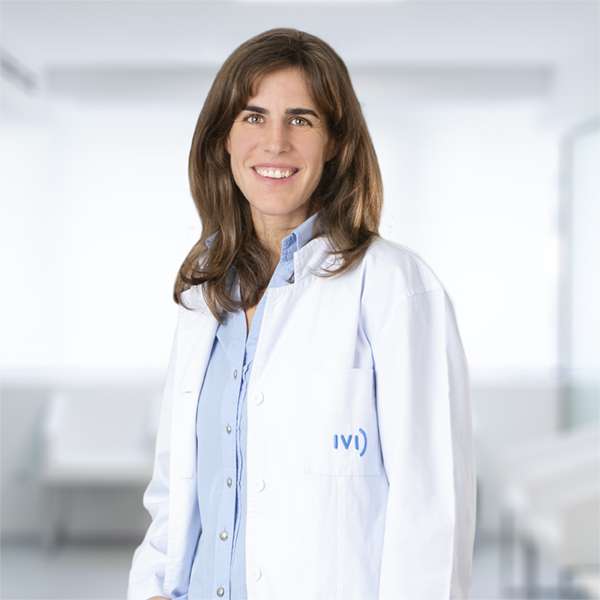
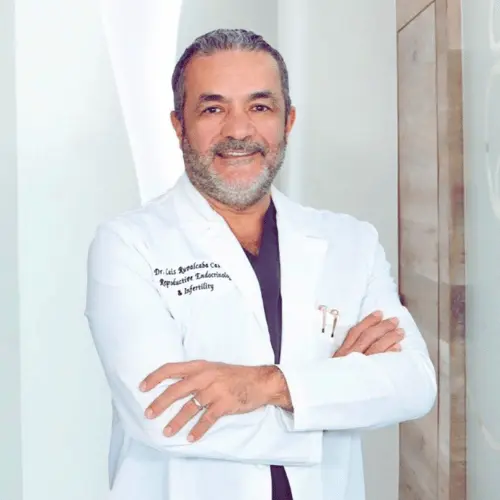
Main Line Fertility is led by fellowship-trained reproductive endocrinologists with national reputations in clinical fertility care. The practice has built its reputation on a combination of clinical excellence and authentic patient-centered care — qualities that distinguish it in a market that also includes academic programs and large network practices. Board-certified REIs at Main Line Fertility have completed OB/GYN residency and ACGME-accredited fellowship training, followed by ABOG subspecialty board certification. The physician team's engagement with professional organizations, including ASRM and the Society for Reproductive Endocrinology and Infertility (SREI), reflects ongoing commitment to the evidence base of the specialty.
The supporting team includes IVF nurses who guide patients through stimulation and monitoring cycles, embryologists who manage the laboratory phase of IVF, ultrasonographers experienced in reproductive assessment, and financial counselors who help patients navigate insurance and payment options. Main Line Fertility has invested in patient experience infrastructure, including online portal access, patient education resources, and a communication approach designed to keep patients informed and supported throughout their treatment journey.
Services and Treatments
Main Line Fertility and Reproductive Medicine offers a comprehensive suite of reproductive medicine services, including:
- Comprehensive fertility consultation and diagnostic workup
- Ovarian reserve assessment (AMH, AFC, FSH, estradiol)
- Semen analysis and male-factor evaluation
- Ovulation induction with clomiphene or letrozole
- Injectable gonadotropin cycles with monitoring
- Intrauterine insemination (IUI)
- In vitro fertilization (IVF)
- Intracytoplasmic sperm injection (ICSI)
- Preimplantation genetic testing (PGT-A, PGT-M, PGT-SR)
- Frozen embryo transfer (FET)
- Egg freezing (oocyte cryopreservation) and embryo banking
- Donor egg cycles
- Donor sperm coordination with licensed banks
- Gestational carrier support
- Recurrent pregnancy loss evaluation and management
- Reproductive immunology evaluation
- Minimally invasive reproductive surgery consultation
Laboratory and Success Rates
Main Line Fertility's IVF laboratory is the technical backbone of its ART program and operates under certified laboratory directors and experienced embryologists. The laboratory applies rigorous protocols for culture media, embryo incubation, blastocyst culture, grading, biopsy for PGT, and vitrification. Vitrification of embryos and eggs produces post-thaw survival rates that consistently exceed those of older slow-freeze methods, making frozen embryo transfer cycles increasingly common and effective. The laboratory's performance is reflected annually in the practice's CDC and SART submissions.
Patients should review the most current cycle-level data published by the CDC's ART Surveillance program and the SART Clinic Summary Report.
Patient Experience
The S Bryn Mawr Ave location is in the heart of the Main Line's civic core — walkable from the Bryn Mawr train station on SEPTA's Paoli/Thorndale regional rail line and accessible by car from Lancaster Avenue (US-30) and I-476 (the Blue Route). Patients from across the Main Line — Wayne, Berwyn, Malvern, Villanova, Haverford, Narberth, Penn Valley — as well as from Philadelphia's western neighborhoods can reach this clinic without a difficult commute. Parking is available near the South Bryn Mawr Ave address.
The Main Line is one of the most medically sophisticated suburban communities in the United States, with proximity to major hospital campuses including Bryn Mawr Hospital (part of Main Line Health), Lankenau Medical Center, and Paoli Hospital. Patients in this community are accustomed to high-quality medical care and typically arrive at fertility consultations with research completed and detailed questions prepared. Main Line Fertility's established physician team is well-suited to this patient population's expectations for substantive, evidence-based communication.
Considering At-Home Insemination?
Not every fertility journey begins in a clinic. At-home intracervical insemination (ICI) is a lower-cost, private option that suits patients with no known fertility diagnosis — including single parents by choice, same-sex couples, and people who want to try a few cycles before committing to clinical treatment.
At-home insemination kits like those from MakeAMom come with step-by-step instructions designed for donor or partner sperm. Kits are a one-time purchase that can be reused until conception succeeds, require no clinic visit, and arrive in plain, discreet packaging. Many patients use them as a first step while working toward a fertility consultation — or alongside ovulation tracking while they wait for an appointment slot.
If you have a known fertility diagnosis, have been trying for 12 months without success (six months if you're over 35), or your physician has already recommended IUI or IVF, a board-certified reproductive endocrinologist is the right next step.
Insurance and Financing
Pennsylvania does not have a state-mandated infertility insurance benefit. As a result, coverage for fertility treatment depends entirely on the individual employer's plan and the specific insurance product. Main Line employers — in law, finance, healthcare, and pharmaceuticals — often offer more generous benefit packages than average, and some Main Line patients will have meaningful fertility coverage through their employer. However, a significant portion of patients will face largely out-of-pocket costs.
Out-of-pocket IVF costs in the Philadelphia area typically range from $13,000–$18,000 per fresh retrieval cycle, with medications adding $3,000–$6,000. Pennsylvania patients who are employed by New Jersey or New York companies may be covered under those states' mandates — the applicable state mandate is determined by where the employer is based, not where the patient lives. Main Line Fertility's financial counseling team can assist with benefits verification, insurance appeals, and referrals to healthcare financing programs. Multi-cycle packages and shared-risk programs may be available for qualifying patients.
Frequently Asked Questions
Can Main Line Fertility treat complex diagnoses like recurrent implantation failure or diminished ovarian reserve? Yes. Main Line Fertility's experienced physician team manages complex reproductive diagnoses including recurrent implantation failure (RIF), diminished ovarian reserve (DOR), recurrent pregnancy loss (RPL), advanced maternal age, and severe male-factor infertility. For RIF, the workup may include hysteroscopy, ERA (endometrial receptivity analysis), immunological testing, and protocol modifications. For DOR, the physician may recommend modified stimulation protocols, use of DHEA or CoQ10 supplementation, or donor egg as an alternative.
What is a frozen embryo transfer, and how does it differ from a fresh transfer? In a fresh transfer, embryo(s) are transferred to the uterus on day 3 or day 5 after egg retrieval in the same cycle. In a frozen embryo transfer (FET), embryos are vitrified after the retrieval cycle and transferred in a subsequent cycle after the uterine lining is prepared with estrogen and progesterone. FET has become increasingly common because it allows PGT results to be received before transfer, permits the uterus to recover from stimulation, and produces outcomes that are comparable to or better than fresh transfer in many patient populations.
Does the practice offer egg freezing for cancer patients on an urgent basis? Yes. Oncofertility — fertility preservation for patients facing cancer treatment — can often be coordinated on an urgent basis. Egg or embryo freezing before chemotherapy or radiation can typically be initiated within days of a referral when timing is critical. Patients who have received a cancer diagnosis should ask their oncologist about an oncofertility referral immediately.
Is SEPTA rail access available from the Bryn Mawr location? Yes. The clinic's S Bryn Mawr Ave address is within walking distance of the Bryn Mawr station on SEPTA's Paoli/Thorndale regional rail line. This makes the clinic accessible from Center City Philadelphia and from other Main Line communities served by the regional rail — a meaningful convenience for patients who prefer not to drive to appointments.