
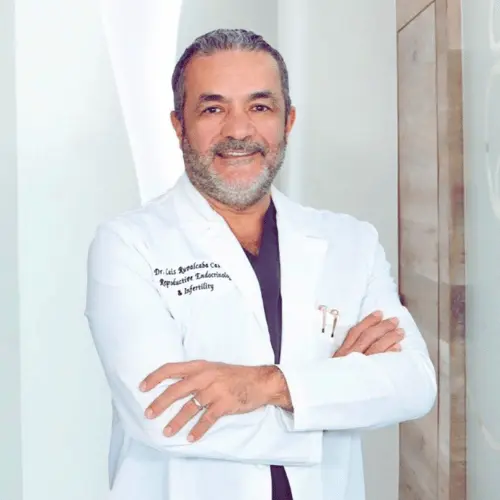
Washington Fertility Center, located at 4316 Evergreen Ln in Annandale, Virginia, is an established independent fertility practice serving the Northern Virginia corridor between the Capital Beltway and the Dulles Technology Corridor. Rated 4.4 stars from 190 patient reviews and reachable through washingtonfertility.com, the clinic is regarded as one of the more accessible and community-integrated fertility options in Fairfax County. Its Annandale location — in the heart of one of Northern Virginia's most ethnically diverse and linguistically varied communities — gives the practice a character distinct from the polished medical campus environment of newer fertility centers in Tysons or Reston. For a full list of Virginia fertility providers, visit the Virginia fertility clinics directory.
Physicians and Clinical Team
Washington Fertility Center's clinical leadership includes reproductive endocrinologists with board certification and fellowship training, who have maintained long-standing practices in the Northern Virginia market. The clinic's independent structure means physician decision-making is not filtered through a corporate network, allowing for individualized protocol adjustments based on patient response rather than standardized network guidelines. The supporting team of nurses, embryologists, and coordinators is credited in patient reviews for consistent interpersonal warmth and professional competence.
Services and Treatments
- IVF with ICSI
- IUI with monitoring and stimulation
- Egg and embryo cryopreservation
- Frozen embryo transfer (FET)
- Preimplantation genetic testing (PGT-A)
- Donor egg IVF programs
- Donor sperm coordination
- Ovulation induction for PCOS and hypothalamic amenorrhea
- Recurrent pregnancy loss evaluation
- Hormonal and endocrine assessment
- Fertility preservation for medical indications
Laboratory and Success Rates
The Evergreen Ln location includes an on-site embryology laboratory where fertilization, extended culture, and vitrification are performed under controlled conditions. The team adheres to SART reporting requirements, allowing independent review of published cycle outcomes.
Patients should review the most current cycle-level data published by the CDC's ART Surveillance program and the SART Clinic Summary Report.
Patient Experience
Patients from Annandale's Korean, South Asian, and Latin American communities have noted the clinic's cultural sensitivity and, in some cases, bilingual support — relevant in a community where a significant portion of residents are first or second-generation immigrants. Reviews consistently describe the clinical team as thorough and approachable. Physicians are noted for spending adequate time at consultations rather than rushing through complex diagnostic discussions.
The Evergreen Ln clinic's independent character extends to its scheduling practices, which some patients describe as more flexible than those of large network clinics. The physical setting is modest but functional, with parking readily available. For patients who have been to more modern or upscale fertility facilities, the environment may feel less polished, though patient satisfaction metrics reflect that clinical quality and interpersonal care more than compensate.
Considering At-Home Insemination?
Not every fertility journey begins in a clinic. At-home intracervical insemination (ICI) is a lower-cost, private option that suits patients with no known fertility diagnosis — including single parents by choice, same-sex couples, and people who want to try a few cycles before committing to clinical treatment.
At-home insemination kits like those from MakeAMom come with step-by-step instructions designed for donor or partner sperm. Kits are a one-time purchase that can be reused until conception succeeds, require no clinic visit, and arrive in plain, discreet packaging. Many patients use them as a first step while working toward a fertility consultation — or alongside ovulation tracking while they wait for an appointment slot.
If you have a known fertility diagnosis, have been trying for 12 months without success (six months if you're over 35), or your physician has already recommended IUI or IVF, a board-certified reproductive endocrinologist is the right next step.
Insurance and Financing
Virginia does not mandate coverage of IVF. Patients at Washington Fertility Center Annandale rely on a mix of employer-sponsored benefits and self-pay arrangements. Northern Virginia's federal and defense contractor workforce includes employees with access to FEHB plans, which vary significantly in fertility coverage. The clinic's billing staff can assist in verifying specific plan benefits. Medical financing through third-party lenders is available for eligible self-pay patients. HSA and FSA accounts can typically be applied to fertility treatment costs.
Frequently Asked Questions
Is Washington Fertility Center appropriate for patients with complex medical backgrounds? Yes. The clinic's physicians have experience managing fertility treatment in the context of underlying health conditions including thyroid disorders, autoimmune diagnoses, and prior pelvic surgeries. Coordination with treating specialists in the Northern Virginia and DC medical community is facilitated when needed.
Does the clinic offer services for patients from diverse cultural or religious backgrounds? Washington Fertility Center's Annandale community context has given the practice experience working with patients from a wide range of cultural and religious backgrounds, some of whom have specific concerns about certain fertility procedures. Physicians are willing to discuss these considerations directly and work within the patient's values where medically feasible.
How quickly can I be seen as a new patient? Call (703) 658-3100 or contact the clinic through washingtonfertility.com. Current wait times for new patient consultations depend on physician scheduling and time of year.
Are there alternative treatment paths for patients who want to avoid IVF if possible? Yes. Washington Fertility Center's clinical approach includes stepwise evaluation and treatment, often starting with less invasive options such as ovulation induction and IUI before moving to IVF. The recommended path depends on diagnosis, age, and treatment history.