
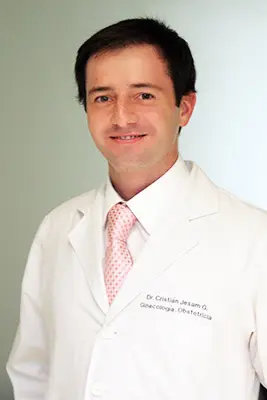
Carolinas Fertility Institute – Cary (Cary, NC): Patient Guide
Carolinas Fertility Institute (CFI) is a regional fertility brand serving patients across North Carolina and the greater Research Triangle. The Cary location sits at 160 MacGregor Pines Drive, Suite 206, Cary, NC 27519, in the MacGregor Pines professional complex just off Kildaire Farm Road — a convenient address for patients commuting from Apex, Holly Springs, Fuquay-Varina, and the growing southwestern suburbs of the Triangle metro. The clinic holds a 4.4-star rating based on patient reviews and is one of two CFI offices serving the Raleigh-Durham-Cary corridor. For a broader look at reproductive care options across the state, see our guide to fertility clinics in North Carolina.
CFI operates as a fellowship-trained reproductive endocrinology practice with an emphasis on evidence-based protocols and individualized cycle management. The Cary office functions as a full-service satellite capable of handling new patient consultations, monitoring, egg retrievals, and embryo transfers, giving Triangle-area patients access to clinical care without traveling into Raleigh's medical center district.
Physicians and Clinical Team
CFI's Cary location is staffed by reproductive endocrinologists who hold board certification through the American Board of Obstetrics and Gynecology in both OB/GYN and in the subspecialty of Reproductive Endocrinology and Infertility. Each physician completed an ACGME-accredited REI fellowship following residency, meeting the highest credentialing standard in the specialty.
The clinical team at the Cary office includes physicians who rotate between CFI's Triangle-area locations to ensure continuity of care, supported by registered nurses specializing in infertility, embryology laboratory scientists, and patient care coordinators. The collaborative structure is designed so that patients establish a relationship with one primary physician while retaining access to the broader CFI team for monitoring appointments and urgent cycle questions. CFI's nursing staff manages cycle coordination, medication instruction, and lab result communication — functions that patients consistently cite as central to their experience of the practice.
Services and Treatments
CFI's Cary office provides a full range of diagnostic and treatment services for individuals and couples experiencing infertility or seeking fertility preservation:
- In Vitro Fertilization (IVF) with both fresh and frozen embryo transfer (FET) protocols
- Intrauterine Insemination (IUI) with partner or donor sperm
- Intracytoplasmic Sperm Injection (ICSI) for male factor infertility
- Preimplantation Genetic Testing for Aneuploidies (PGT-A) and monogenic conditions (PGT-M)
- Elective egg freezing and fertility preservation for medical and personal indications
- Ovulation induction and timed intercourse cycles
- Donor egg IVF using anonymous or directed donors
- Donor sperm IUI and IVF
- Gestational surrogacy medical coordination
- LGBTQ+ family building, including reciprocal IVF and same-sex co-IVF
- Diagnostic workup: AMH, FSH, antral follicle count (AFC), semen analysis, HSG, sonohysterography
- Oncofertility consultations for patients facing cancer diagnosis or treatment
Laboratory and Success Rates
CFI operates accredited embryology laboratories that maintain continuous environmental monitoring and adhere to the quality standards required for SART membership. SART-member clinics are obligated to submit cycle-level outcome data annually to the federal reporting system managed by the CDC, ensuring that success rate claims can be independently verified.
For patients evaluating CFI's outcomes, the most reliable reference sources are the current SART Clinic Summary Report and the CDC's ART surveillance data, both of which break down live birth rates by patient age group, diagnosis category, and cycle type. These databases allow meaningful comparisons between practices and are updated annually with verified, audited figures.
Patients should review the most current cycle-level data published by the CDC's ART Surveillance program and the SART Clinic Summary Report.
Patient Experience
Reviewers of the Cary CFI location highlight the accessibility of the MacGregor Pines address — parking is straightforward, and the suite is navigable without confusion common to larger hospital campuses. Patients from Apex and Holly Springs report that the Cary location saves them 20 to 40 minutes per monitoring appointment compared to traveling into downtown Raleigh, a meaningful benefit during stimulation cycles that may require daily or every-other-day visits.
The nursing and coordination team at Cary receives frequent praise for responsiveness via the patient portal and phone, and for their ability to explain cycle protocols in plain language. The physical environment of the Suite 206 office is described as calm and professional, with minimal wait times during busy morning monitoring hours. Patients undergoing IUI cycles at this location often mention that procedures are handled efficiently with minimal disruption to their work schedules.
Considering At-Home Insemination?
Not every fertility journey begins in a clinic. At-home intracervical insemination (ICI) is a lower-cost, private option that suits patients with no known fertility diagnosis — including single parents by choice, same-sex couples, and people who want to try a few cycles before committing to clinical treatment.
At-home insemination kits like those from MakeAMom come with step-by-step instructions designed for donor or partner sperm. Kits are a one-time purchase that can be reused until conception succeeds, require no clinic visit, and arrive in plain, discreet packaging. Many patients use them as a first step while working toward a fertility consultation — or alongside ovulation tracking while they wait for an appointment slot.
If you have a known fertility diagnosis, have been trying for 12 months without success (six months if you're over 35), or your physician has already recommended IUI or IVF, a board-certified reproductive endocrinologist is the right next step.
Insurance and Financing
North Carolina does not have a state fertility insurance mandate. Patients relying on employer-sponsored health plans should review their Summary Plan Description carefully, as coverage for infertility diagnosis and treatment varies significantly by carrier and employer. Many NC-based insurers cover diagnostic testing — bloodwork, ultrasounds, and semen analysis — but do not extend coverage to IUI, IVF, or fertility medications as standard benefits.
CFI's financial counselors can review insurance benefits before treatment begins and identify any available coverage. For patients paying out of pocket, IVF cycle pricing at the Cary location is competitive with the broader Raleigh-Durham fertility market. CFI works with third-party fertility financing programs that offer low-interest loans and multi-cycle payment structures. Patients with Progyny, WINFertility, or similar employer fertility benefit programs should confirm that CFI participates in their network before scheduling.
Frequently Asked Questions
What is the difference between the Cary CFI location and other CFI offices? CFI operates multiple locations across the Carolinas. The Cary office at 160 MacGregor Pines Drive serves patients from the western and southwestern Triangle, including Apex, Holly Springs, and Fuquay-Varina. The Winston-Salem location serves the Piedmont Triad. Both operate under the same clinical protocols and physician credentialing standards, with physicians occasionally rotating between locations for scheduling continuity.
Does CFI Cary offer monitoring-only appointments for patients cycling at another location? Many CFI patients use the Cary office for blood draw and ultrasound monitoring while their primary physician or egg retrieval is at another location. Confirm coordination capabilities with the scheduling team when booking your first appointment.
How long does it typically take to start a first IVF cycle after an initial consultation? After a new patient consultation, most patients at CFI Cary can expect to complete their diagnostic workup within one to two menstrual cycles before starting a stimulation protocol. The timeline depends on cycle timing, required testing, and insurance pre-authorization if applicable.
Does NC insurance cover IVF? North Carolina does not mandate fertility coverage. However, some employers in the Triangle's tech and pharmaceutical sectors offer fertility benefits voluntarily. Patients should verify their benefits before assuming coverage applies.