

What Is Azoospermia?
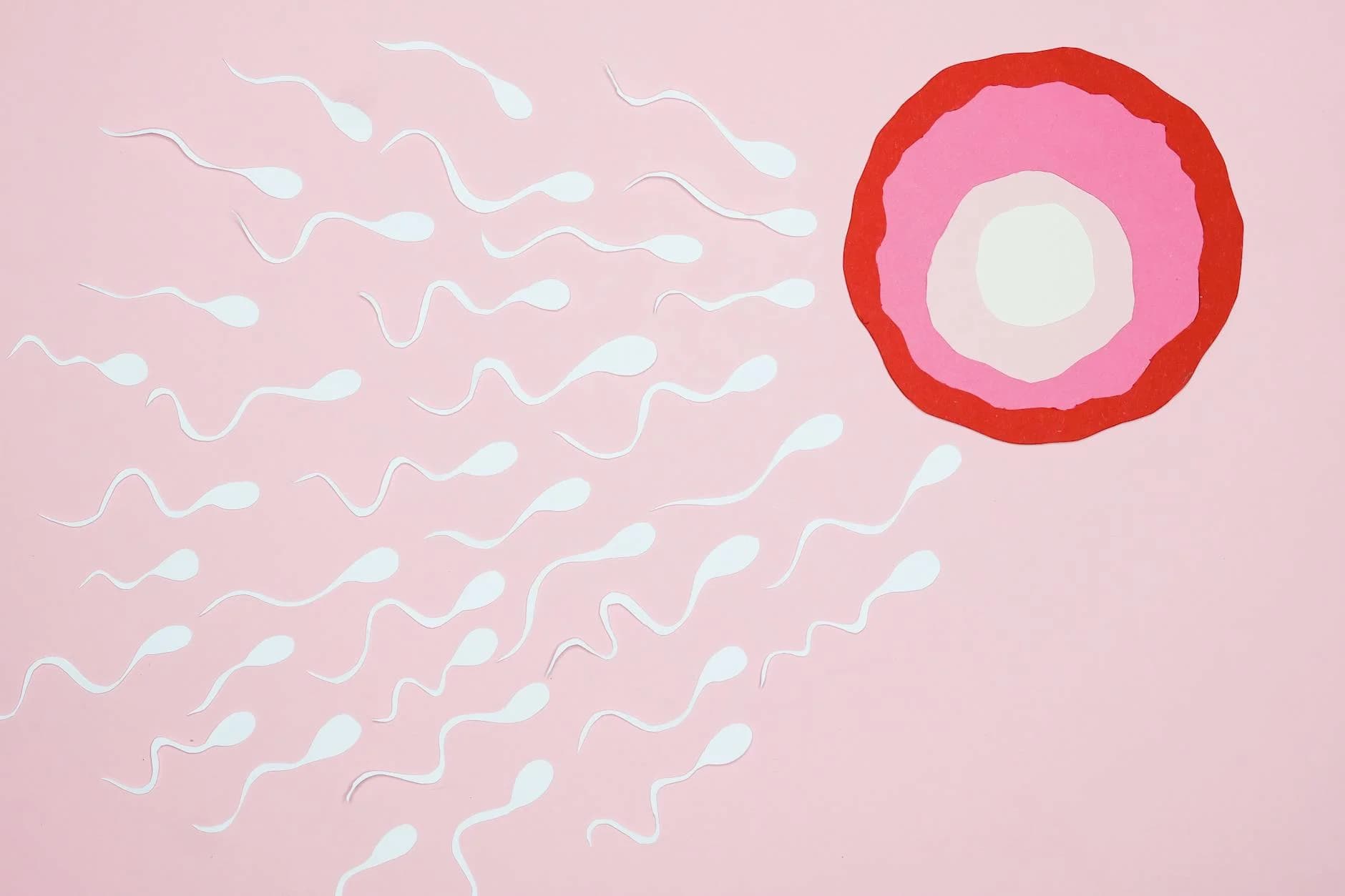
Azoospermia is the complete absence of sperm in ejaculated semen. According to the American Society for Reproductive Medicine (ASRM), it affects approximately 1% of all men and 10–15% of men presenting with infertility — making it the most severe form of male infertility and a significant contributor to couples unable to conceive naturally. For a broader overview of male factor diagnoses and treatment pathways, see the male factor infertility hub.
Despite being the most serious male infertility diagnosis, advances in surgical sperm retrieval combined with IVF and intracytoplasmic sperm injection (ICSI) have made biological fatherhood possible for a meaningful proportion of men with this condition. The key is precise diagnosis and access to the right surgical expertise.
Diagnostic Criteria
A diagnosis of azoospermia must be confirmed on two separate semen analyses before any treatment decisions are made. This is not merely a formality — laboratory error, short abstinence intervals, and sample collection problems can all produce a false azoospermic result. Each sample should be centrifuged and the pellet examined under high magnification. The finding of even a single sperm after centrifugation — a condition called cryptozoospermia — fundamentally changes the management pathway and prognosis.
The first step after confirming azoospermia is determining why there is no sperm, because the underlying cause determines the treatment approach and the likelihood of success.
Obstructive vs. Non-Obstructive Azoospermia
Azoospermia falls into two fundamentally different categories with distinct biology, diagnostic profiles, and treatment strategies.
Obstructive Azoospermia (OA)
In obstructive azoospermia, sperm production in the testes is normal, but a physical blockage somewhere along the reproductive tract prevents sperm from reaching the ejaculate. The testes contain sperm — they simply cannot exit.
Common causes of OA:
- Vasectomy (the most common cause of OA in the United States)
- Congenital bilateral absence of the vas deferens (CBAVD) — strongly associated with CFTR gene mutations (the cystic fibrosis gene); men with CBAVD should undergo genetic testing and partner screening
- Post-infectious scarring following chlamydia, gonorrhea, or epididymitis
- Prior surgical trauma (inguinal hernia repair, orchiopexy, pelvic surgery)
- Ejaculatory duct obstruction
Key diagnostic markers:
- Normal or near-normal FSH
- Normal testicular volume
- Palpable epididymal fullness in some cases
Sperm retrieval success rate: >95%
Non-Obstructive Azoospermia (NOA)
In non-obstructive azoospermia, spermatogenesis itself is impaired — the testes are not producing adequate numbers of mature sperm. This is the more complex, challenging, and emotionally difficult diagnosis. Even so, small pockets of sperm production may exist within the testes, which is the biological rationale for surgical retrieval.
Common causes of NOA:
- Genetic conditions: Klinefelter syndrome (47,XXY), Y chromosome microdeletions
- Cryptorchidism (undescended testicles in childhood, especially when corrected late)
- Prior chemotherapy or radiation exposure
- Severe varicocele causing progressive testicular damage
- Idiopathic (no identifiable cause in approximately 30–40% of NOA cases)
Key diagnostic markers:
- Elevated FSH (often 2–3× the upper limit of normal)
- Reduced testicular volume bilaterally
- Hormonal evidence of primary testicular failure
Sperm retrieval success rate: 40–60% (highly dependent on cause and surgical technique)
OA vs. NOA at a Glance
| Feature | Obstructive (OA) | Non-Obstructive (NOA) |
|---|---|---|
| FSH | Normal | Elevated (often 2–3× normal) |
| Testis size | Normal | Often small |
| Sperm retrieval success | >95% | 40–60% |
| Cause | Vasectomy, congenital (CBAVD), infection | Genetic, idiopathic, chemotherapy |
| Preferred technique | PESA, TESA, TESE | Micro-TESE |
Confirming the Diagnosis
A single azoospermic semen analysis must be confirmed with a second before proceeding. After confirmation, a structured workup is essential to distinguish OA from NOA and to identify any genetic factors that could affect both retrieval prognosis and the health of future offspring.
Essential diagnostic workup for azoospermia:
| Test | What it tells you |
|---|---|
| FSH, LH, testosterone | Distinguishes secretory (NOA) from obstructive (OA) causes |
| Karyotype | Rules out Klinefelter syndrome and structural chromosomal abnormalities |
| Y chromosome microdeletion analysis | Critical before IVF — AZFa/AZFb deletions predict near-zero sperm retrieval chance |
| Scrotal ultrasound | Assesses testicular volume, varicocele, epididymal obstruction |
| Testicular biopsy (diagnostic) | In ambiguous cases; also serves therapeutic purpose in skilled hands |
Causes of Non-Obstructive Azoospermia in Depth
Klinefelter Syndrome (47,XXY)
Klinefelter syndrome is the most common chromosomal cause of male infertility and the most frequent identifiable genetic cause of NOA, affecting approximately 1 in 500–1,000 men. Men with Klinefelter have an extra X chromosome in some or all cells (47,XXY), which disrupts normal testicular development.
Classic features include small, firm testes, reduced testosterone, elevated FSH and LH, tall stature, and reduced body hair — though the presentation is highly variable and many men are not diagnosed until they undergo fertility evaluation. The National Human Genome Research Institute provides a comprehensive overview of the condition, its diagnosis, and management.
The key clinical point: despite the severity of the underlying diagnosis, micro-TESE retrieval succeeds in 40–60% of men with Klinefelter syndrome. Genetic counseling is strongly recommended before attempting retrieval, as sperm from men with Klinefelter carry a theoretical risk of sex chromosome aneuploidies, and preimplantation genetic testing (PGT) may be recommended.
Y Chromosome Microdeletions
Y chromosome microdeletions — small missing segments on the long arm (Yq) of the Y chromosome — are found in approximately 10–15% of men with NOA. Three regions are clinically important: AZFa, AZFb, and AZFc.
AZFa deletions: Complete absence of the DAZL-related genes in this region causes Sertoli cell-only syndrome, in which the testes contain supporting cells but no germ cells. Sperm retrieval success is less than 5%. Genetic counseling before attempting retrieval is essential, as the procedure carries surgical risk with an extremely low probability of benefit.
AZFb deletions: Similar to AZFa, AZFb deletions are associated with maturation arrest and a sperm retrieval rate of less than 5%. Men with AZFa or AZFb deletions should receive thorough counseling about the near-certain failure of retrieval and the practical and emotional implications.
AZFc deletions: The most common Y microdeletion and the most favorable prognosis. AZFc deletions (typically involving the DAZ gene cluster) are associated with a 50–70% micro-TESE success rate. However, any sons born using retrieved sperm will inherit the deletion and will themselves face infertility; this must be disclosed during genetic counseling.
For a comprehensive review of NOA management, see Esteves et al. (2015) in the Asian Journal of Andrology, which remains a foundational reference for clinicians managing this diagnosis.
Chemotherapy and Radiation Damage
Alkylating agents (cyclophosphamide, busulfan, chlorambucil) and platinum-based chemotherapy carry the highest risk of permanent testicular damage. Radiation to the pelvis or scatter radiation to the testes can also cause irreversible injury to spermatogonial stem cells. Men undergoing cancer treatment should be offered sperm banking before treatment whenever possible.
For men who develop azoospermia after treatment, micro-TESE retrieval succeeds in approximately 30–45% of cases, with higher rates observed when treatment occurred during childhood (as opposed to adulthood) and when several years have elapsed since the last treatment exposure.
Idiopathic NOA
In 30–40% of men with NOA, no identifiable cause can be found despite complete evaluation. The underlying biology likely involves a combination of genetic variants (often too subtle to detect on routine testing), epigenetic factors, and environmental exposures. Micro-TESE outcomes for idiopathic NOA are intermediate: 40–55% success rates, broadly consistent with the overall NOA range.
Sperm Retrieval Techniques
The choice of retrieval technique depends on whether the azoospermia is obstructive or non-obstructive, the anatomy of the reproductive tract, and the experience of the surgical team. All retrieved sperm are used for ICSI — the sperm is injected directly into the egg — rather than conventional insemination.
PESA — Percutaneous Epididymal Sperm Aspiration
How it works: A fine butterfly needle is inserted directly into the epididymis under local anesthesia, and fluid is aspirated. The fluid is immediately examined by an embryologist in the adjacent laboratory. Multiple passes at different epididymal sites may be performed until adequate sperm are identified.
Recovery time: Minimal. Most men return to desk work within 24–48 hours. Discomfort is usually managed with over-the-counter analgesics.
Success rate: >95% in confirmed obstructive azoospermia.
When preferred: Obstructive azoospermia — vasectomy, CBAVD, post-infectious obstruction. Can be performed on the same day as the female partner's egg retrieval, simplifying cycle coordination. Excess sperm should always be cryopreserved.
Limitation: Not suitable for NOA, where the epididymis does not contain sperm because testicular production has failed.
TESA — Testicular Sperm Aspiration
How it works: A needle is inserted through the scrotal skin directly into the testicular parenchyma, and negative pressure is applied to aspirate small amounts of testicular tissue and fluid. The aspirate is processed in the embryology laboratory to isolate any sperm.
Recovery time: 1–2 days of scrotal discomfort. Ice and scrotal support are typically recommended.
Success rate: High (>90%) for obstructive azoospermia. Significantly lower for NOA, where focal spermatogenesis may be missed by random needle passes.
When preferred: Obstructive azoospermia when PESA fails or anatomy makes epididymal aspiration difficult. Some clinicians use TESA as a first-line approach for OA because of its simplicity. Not the preferred technique for NOA, where micro-TESE offers materially better outcomes.
Conventional TESE — Testicular Sperm Extraction
How it works: A small incision is made in the scrotum and testicle, and one to three small biopsy specimens are taken from different locations in the testicular parenchyma. The tissue is processed by the embryologist to search for sperm.
Recovery time: 3–7 days. More discomfort than needle-based techniques; scrotal swelling is common.
Success rate: For NOA: 30–45%. Higher than TESA but substantially lower than micro-TESE because tissue sampling is not guided by microscopic visualization.
When preferred: Occasionally used when micro-TESE infrastructure or expertise is not available. For OA, conventional TESE is highly effective but is rarely necessary when PESA or TESA succeed.
Micro-TESE — Microsurgical Testicular Sperm Extraction
Micro-TESE is the gold standard procedure for non-obstructive azoospermia and the most technically demanding of all sperm retrieval techniques. It was pioneered and refined at specialized andrology centers worldwide, and the evidence supporting its superiority over conventional TESE is substantial — including a landmark systematic review by Prof. Esteves and colleagues (2018) demonstrating significantly higher sperm retrieval rates and reduced testicular morbidity.
How it works: Under general or regional anesthesia, the surgeon opens the scrotum and makes a single equatorial incision in the tunica albuginea of the testis, exposing the entire testicular parenchyma. Using an operating microscope at 15–25× magnification, the surgeon systematically examines the seminiferous tubules throughout the testis. Tubules that appear dilated and opaque — morphological indicators of active spermatogenesis — are selectively excised. These targeted specimens are immediately transferred to the embryologist, who dissects the tissue under a separate microscope to locate sperm.
Recovery time: Most men return home the same day or with one overnight stay. Scrotal swelling and discomfort typically resolve over 1–2 weeks. Strenuous activity should be avoided for 3–4 weeks.
Why it outperforms conventional TESE:
- Identifies the specific tubular regions most likely to contain sperm, rather than sampling blindly
- Removes substantially less total testicular tissue (preserving Leydig cells and testosterone production)
- Reduces vascular injury to the testicular vasculature
- Sperm retrieval rates approximately 1.5× higher than conventional TESE across NOA etiologies
- Better postoperative preservation of testosterone levels
Micro-TESE sperm retrieval rates by NOA cause (based on published data from specialized andrology centers, including Esteves et al.):
| Diagnosis | Micro-TESE Success Rate |
|---|---|
| Idiopathic NOA | 40–55% |
| Klinefelter syndrome (47,XXY) | 40–60% |
| Cryptorchidism | 55–75% |
| Prior chemotherapy (alkylating agents) | 30–45% |
| AZFc deletion | 50–70% |
| AZFa or AZFb deletion | <5% — genetic counseling essential before attempting |
Surgeon volume matters enormously. Micro-TESE is a technically demanding procedure, and outcomes are strongly associated with surgical experience. When evaluating a center, ask specifically how many micro-TESE procedures the surgeon performs annually and what their documented retrieval rates are for your specific diagnosis. A busy specialized center may perform 100+ cases per year; a general urologist may perform fewer than 10.
IVF/ICSI Outcomes with Retrieved Sperm
Once sperm are retrieved — whether from the epididymis or testis — they are used exclusively for IVF with ICSI. Understanding the IVF success data is as important as understanding retrieval rates.
Fertilization rates: Studies from experienced reproductive centers consistently show fertilization rates of 60–75% per injected mature egg using surgically retrieved sperm. This is comparable to the fertilization rates achieved with ejaculated sperm in men with normal semen parameters, provided that the retrieved sperm are of adequate maturity and the ICSI is performed by a skilled embryologist.
Live birth rates: Live birth rates per IVF cycle depend primarily on female partner age and embryo quality, not on the sperm retrieval method. In couples where the female partner is under 35, published data from high-volume centers show live birth rates of 40–55% per egg retrieval cycle when using testicular sperm. Outcomes decline with advancing female partner age in the same pattern as IVF with ejaculated sperm. You can review national IVF outcome data through the Society for Assisted Reproductive Technology (SART).
For a broader understanding of what to expect from IVF, our guide to IVF success rates by age provides detailed outcome data stratified by age and cycle type.
Fresh vs. frozen retrieved sperm: Cryopreservation of retrieved sperm is strongly recommended whenever possible. A successful retrieval can yield enough sperm to support multiple future IVF cycles, eliminating the need for repeat surgery if a cycle fails or if the couple desires additional children. Many experienced centers perform sperm retrieval and cryopreservation in a separate procedure several weeks before the female partner's IVF stimulation cycle begins, removing the logistical pressure of coordinating same-day procedures.
Embryo banking: Couples with NOA who achieve a successful retrieval and produce multiple embryos frequently choose to bank embryos, giving them multiple transfer opportunities from a single retrieval cycle.
Genetic Counseling Before Sperm Retrieval
For men with non-obstructive azoospermia — particularly those with Klinefelter syndrome, Y chromosome microdeletions, or other genetic findings — genetic counseling is not optional. It is a critical component of informed care.
A genetic counselor can:
- Explain the implications of the genetic diagnosis for the man's own health and long-term management
- Discuss inheritance patterns and the implications for future children (notably, sons born after micro-TESE from men with AZFc deletions will inherit the deletion)
- Help the couple understand PGT options and whether chromosomal testing of embryos is advisable
- Provide the emotional support and framework needed to process a complex genetic diagnosis before major surgical and reproductive decisions are made
The National Society of Genetic Counselors (NSGC) maintains a searchable directory to help couples find certified genetic counselors who specialize in reproductive genetics.
Pre-Retrieval Hormonal Treatment
For men with NOA, some studies suggest that a course of FSH supplementation (typically 2–4 months) before micro-TESE may improve sperm retrieval rates, particularly in hypogonadal men or those with deficient FSH levels. Clomiphene citrate or anastrozole may be used in men with relative hypogonadotropic hypogonadism to stimulate endogenous testosterone and FSH production.
The evidence base for hormonal pre-treatment before micro-TESE is not yet definitive — results across studies have been inconsistent, and no large randomized controlled trial has confirmed benefit across all NOA subtypes. However, selected patients — particularly those with hypogonadism or borderline hormonal profiles — may be reasonable candidates. This decision should be individualized and managed by a reproductive urologist or andrologist with expertise in NOA.
What Happens If Retrieval Fails?
A failed micro-TESE — the operating microscope confirms no sperm anywhere in the testis — is one of the most difficult outcomes a couple can face. It means the testis has no areas of active spermatogenesis detectable at the time of surgery.
Next steps after failed retrieval:
-
Re-attempt timing: Most experts recommend waiting a minimum of 12 months before considering a repeat micro-TESE. The surgical trauma from the first procedure causes temporary inflammation and possible vascular disruption; attempting retrieval too soon increases the risk of finding no sperm even if focal spermatogenesis resumes.
-
Hormonal optimization before re-attempt: Men with suboptimal hormonal profiles who did not receive pre-treatment before the first retrieval may benefit from a course of testosterone normalization or FSH stimulation before a second attempt.
-
Reassessing the diagnosis: A failed retrieval should prompt reassessment of any reversible contributing factors — varicocele correction, medication changes, improved sleep and metabolic health — though the evidence that these interventions rescue spermatogenesis in established NOA is limited.
-
Donor sperm: When micro-TESE fails and re-attempt is not desired or advised, donor sperm IVF offers excellent live birth rates and should be presented as a genuinely viable pathway. Many couples find the conversation about donor sperm emotionally difficult but ultimately report satisfaction with their decision once they have had time to process and discuss it thoroughly. Counseling from a mental health professional who specializes in third-party reproduction is valuable at this stage.
-
Adoption and other paths: Some couples decide that biological parenthood is not the only worthy goal, and a skilled counselor can help them explore all pathways on their own terms.
Cost and Insurance Considerations
Sperm retrieval procedures and IVF/ICSI represent significant financial commitments that vary substantially by center, geography, and insurance coverage.
Typical costs (United States, 2024–2025):
| Procedure | Estimated Cost |
|---|---|
| PESA or TESA | $1,500–$4,000 |
| Conventional TESE | $3,000–$7,000 |
| Micro-TESE | $5,000–$15,000 |
| IVF/ICSI (one cycle) | $12,000–$25,000 |
| Sperm cryopreservation (annual storage) | $300–$600/year |
| Genetic testing (karyotype + Y-microdeletion) | $500–$1,500 |
Note that micro-TESE is almost always billed separately from the IVF cycle cost. Couples should obtain a detailed breakdown of all anticipated charges — including anesthesia, embryology fees, and cryopreservation — before committing.
Insurance coverage: Coverage for sperm retrieval and IVF varies dramatically by state and by employer plan. Fifteen states currently have laws mandating some level of infertility coverage; the scope and generosity of mandates vary widely. RESOLVE: The National Infertility Association maintains up-to-date resources on state insurance mandates and strategies for maximizing coverage, including guidance on medical necessity appeals when insurers deny coverage.
Financing options: Many fertility centers offer in-house financing, multi-cycle packages with partial refunds, and access to third-party fertility lending programs. Nonprofit grants for fertility treatment are also available through organizations such as the Baby Quest Foundation and the Tinina Q. Cade Foundation.
Questions to Ask Before Scheduling Retrieval
Before committing to a surgical sperm retrieval, couples should feel confident asking their team the following questions:
- Is my azoospermia definitively obstructive or non-obstructive — and what is the evidence for that classification?
- Have I had complete genetic testing, including karyotype and Y chromosome microdeletion analysis?
- What is your center's sperm retrieval rate specifically for my diagnosis and type of azoospermia?
- How many micro-TESE procedures does the operating surgeon perform per year?
- Will an embryologist be present in the operating room to immediately assess retrieved tissue?
- Should sperm retrieval be coordinated with my partner's IVF cycle, or staged separately?
- What happens to cryopreserved sperm if we decide not to proceed with IVF?
- Is there any hormonal pre-treatment that could improve my retrieval odds given my specific hormone profile?
- What is your protocol after a failed retrieval — what are our next options?
Finding the Right Center
Micro-TESE outcomes are strongly center-dependent, and choosing the right team is as important as any other decision in this process. The procedure requires a urologist with specialized microsurgical andrology training, ideally one whose practice is substantially dedicated to male infertility. Not all fertility centers offer micro-TESE — some refer to partner urologists or to specialized andrology programs.
When evaluating a center for choosing a fertility clinic, the considerations for micro-TESE go beyond the standard checklist:
- Ask for center-specific (not national average) sperm retrieval rates for NOA and for your specific diagnosis
- Confirm that the operating surgeon has dedicated microsurgical andrology training, not simply general urological surgery experience
- Verify that the embryology laboratory can process testicular specimens immediately and has experience with testicular sperm ICSI
- Ask about coordination protocols between the andrology and IVF teams
Frequently Asked Questions
Q: What is the difference between obstructive and non-obstructive azoospermia? A: In obstructive azoospermia (OA), sperm production in the testes is normal but a physical blockage prevents sperm from reaching the ejaculate. In non-obstructive azoospermia (NOA), spermatogenesis itself is impaired — the testes are not producing adequate numbers of mature sperm. OA has a sperm retrieval success rate above 95%, while NOA has a retrieval success rate of 40–60% depending on the underlying cause and surgical technique used.
Q: What is micro-TESE and why is it preferred for non-obstructive azoospermia? A: Micro-TESE (microsurgical testicular sperm extraction) is the gold standard procedure for NOA. Using an operating microscope at 15–25× magnification, the surgeon systematically examines seminiferous tubules and selectively removes those that appear to contain active spermatogenesis. A landmark systematic review by Prof. Esteves and colleagues demonstrated significantly higher sperm retrieval rates and reduced testicular morbidity compared to conventional TESE.
Q: If sperm is successfully retrieved, what are the IVF success rates? A: Fertilization rates with surgically retrieved sperm are 60–75% per injected mature egg — comparable to ejaculated sperm in men with normal parameters when ICSI is performed by a skilled embryologist. In couples where the female partner is under 35, published data from high-volume centers show live birth rates of 40–55% per egg retrieval cycle, declining with advancing female partner age in the same pattern as standard IVF.
Q: Why is genetic testing essential before sperm retrieval in azoospermia? A: Genetic testing is critical because some genetic causes predict near-zero retrieval success. AZFa and AZFb Y-chromosome microdeletions are associated with less than 5% sperm retrieval rates, sparing patients from unnecessary surgery. Additionally, sons born using sperm from men with AZFc deletions will inherit the deletion and face their own infertility — information essential for informed consent before proceeding.
Q: How long should a couple wait before attempting a second micro-TESE after a failed retrieval? A: Most experts recommend waiting a minimum of 12 months before considering a repeat micro-TESE. The surgical trauma from the first procedure causes temporary inflammation and possible vascular disruption; attempting retrieval too soon increases the risk of finding no sperm even if focal spermatogenesis has resumed. This waiting period can also be used for hormonal optimization if the patient has a suboptimal hormonal profile.
This article was medically reviewed by Prof. Sandro C. Esteves, MD, PhD — Founder & Medical Director of ANDROFERT Andrology & Human Reproduction Clinic, Campinas, Brazil; Chair of the WHO Male Infertility Guidelines Development Group; Honorary Professor, Aarhus University. Last reviewed April 2025.