

What "Unexplained Infertility" Actually Means
If you've been trying to conceive for 12 months (or 6 months if you're over 35) and standard testing comes back normal, you may receive the diagnosis of unexplained infertility — or more precisely, idiopathic infertility.
This diagnosis applies to approximately 15–30% of couples presenting with infertility. It does not mean there's nothing wrong. It means the current standard diagnostic battery didn't detect the cause. Visit the unexplained infertility condition hub for a structured overview of this diagnosis and evidence-based next steps.
This distinction matters because treatment decisions — and expectations — differ significantly depending on what "unexplained" actually means in your case.
The Standard Workup — and Its Limits
A typical initial infertility workup includes:
Female evaluation:
- Ovarian reserve: AMH, AFC (antral follicle count), Day 3 FSH
- Ovulatory function: mid-luteal progesterone, LH tracking
- Uterine anatomy: sonohysterogram (SHG) or hysteroscopy
- Tubal patency: hysterosalpingogram (HSG)
- Thyroid function: TSH
Male evaluation:
- Semen analysis (×2)
- Sometimes: hormonal panel (FSH, testosterone)
This workup detects the most common causes of infertility — ovulatory dysfunction, structural problems, tubal blockage, and severe male factor infertility. But it misses several categories:
- Subtle sperm DNA fragmentation — not detected by standard semen analysis
- Subtle egg quality issues — only visible through IVF response
- Endometriosis — can only be definitively diagnosed by laparoscopy; not detected by HSG or ultrasound in early stages
- Implantation failure — uterine receptivity testing is not standard
- Immunological factors — antiphospholipid antibodies, NK cell activity
- Sperm–egg interaction problems — fertilization failure only becomes apparent during IVF
So when you hear "unexplained infertility," it often means: the easily detected causes have been ruled out.
Additional Testing to Consider
Before defaulting to empirical treatment, discuss with your specialist whether further testing is warranted:
Sperm DNA Fragmentation (SDF)
Measures the percentage of sperm with DNA strand breaks. Standard semen analysis can look completely normal while SDF is elevated. High SDF is associated with reduced fertilization rates, impaired embryo development, and higher miscarriage rates. A DFI (DNA Fragmentation Index) above 25–30% is generally considered elevated, based on current evidence linking elevated DFI to impaired reproductive outcomes.
Diagnostic Laparoscopy
The only definitive way to diagnose or rule out endometriosis — particularly minimal or mild disease (Stage I/II) that does not appear on ultrasound. Controversial in unexplained infertility due to its surgical nature, but may be appropriate for women with pelvic pain, dysmenorrhea, or dyspareunia.
Endometrial Receptivity Testing
Tests such as the ERA (Endometrial Receptivity Array) or ERPeak analyze endometrial gene expression to identify the "window of implantation" — the narrow period when the uterus is most receptive. May benefit women with multiple failed euploid embryo transfers, though its role in primary unexplained infertility remains debated.
Antiphospholipid Antibody Panel
Antiphospholipid syndrome (APS) is associated with recurrent pregnancy loss. Usually reserved for women with prior miscarriages or failed IVF cycles.
NK Cell Testing — What the Evidence Actually Shows
Uterine natural killer (uNK) cells play a role in early implantation and placental development. The theory behind NK cell testing in unexplained infertility is that elevated or abnormally activated uNK cells may impede embryo implantation — leading some reproductive immunologists to test for and treat elevated NK cell activity.
What the evidence shows:
This area is genuinely controversial. Neither ASRM nor ESHRE currently recommends NK cell testing as a standard diagnostic step for unexplained infertility or recurrent implantation failure. The ESHRE guideline on recurrent pregnancy loss does not endorse routine NK cell testing or immunomodulatory treatment outside of clinical trials.
Treatments offered in this context — Intralipid infusion, intravenous immunoglobulin (IVIG), and corticosteroids — carry their own risks and costs, and the evidence base supporting their use in unexplained infertility is weak. Small studies suggest possible benefit for a subset of patients with recurrent implantation failure, but controlled trial data are limited.
What to do: If a reproductive immunologist recommends NK cell testing, ask specifically what evidence supports the intervention they're proposing, whether it is offered within a research protocol, and what the known risks are. A second opinion from a reproductive endocrinologist at an academic center is reasonable before pursuing immunomodulatory treatment.
Evidence-Based Treatment Options
Option 1: Expectant Management ("Wait and See")
For couples with unexplained infertility under 35 and less than 2 years of trying, the cumulative natural conception rate over 24–36 months can reach 50–60%. Empirical treatment is not always the right first step.
Factors favoring expectant management:
- Both partners under 35
- Less than 2 years of trying
- Normal complete workup
- No time pressure
Option 2: Ovulation Induction with IUI
Oral medications (letrozole or clomiphene citrate) stimulate development of 1–3 follicles; IUI deposits sperm directly into the uterus, bypassing cervical mucus.
Success rates: 8–15% per cycle in well-selected unexplained infertility patients. Most clinics recommend 3–4 cycles before escalating.
Evidence suggests letrozole produces better outcomes than clomiphene in most unexplained infertility cases with a lower multiple pregnancy risk.
Option 3: Controlled Ovarian Stimulation with IUI (COH-IUI)
Injectable FSH stimulates 2–4 follicles; IUI is performed at the time of ovulation. Slightly higher success rates than oral OI-IUI (12–20% per cycle) but higher risk of multiples and OHSS, and higher cost.
Option 4: IVF
IVF remains the most effective treatment for unexplained infertility, with live birth rates 2–3× higher per cycle compared to IUI in equivalent populations. IVF also provides diagnostic information unavailable from IUI — specifically, whether fertilization occurs, how embryos develop, and (with PGT-A) whether embryos are chromosomally normal.
When to go directly to IVF:
- Female partner ≥ 38 years
- Prior IUI failure (3–4 cycles)
- Diminished ovarian reserve
- High sperm DNA fragmentation detected
- Significant time pressure (older age, health conditions)
The Fast-Track to IVF strategy — skipping IUI entirely in favor of immediate IVF — is increasingly supported for patients over 37, where the time cost of IUI cycles can meaningfully reduce overall success.
Option 5: Lifestyle Optimization
For couples choosing expectant management or preparing for treatment:
- Body weight: Both obesity and underweight impair fertility
- Smoking: Strong negative effect on egg quality and sperm parameters; cessation is unambiguously beneficial
- Alcohol: Modest restriction (< 4 units/week) is generally recommended during treatment
- Male supplementation: Antioxidant supplementation (CoQ10, vitamin C/E, zinc, folate) may improve sperm DNA fragmentation indices — particularly relevant in unexplained infertility with borderline SDF
Treatment Cost Comparison
The decision between treatment options involves weighing cost per cycle against per-cycle success rates and the number of cycles likely needed. The following figures are approximate US averages; individual clinic pricing varies significantly.
| Treatment | Cost Per Cycle | Success Rate (Unexplained IF) | Recommended Cycles |
|---|---|---|---|
| Expectant management | $0 | Natural conception 50–60% over 2 yrs | 12–24 months |
| OI + IUI (Clomid/Letrozole) | $800–$2,000 | 8–15% per cycle | 3 cycles |
| COH + IUI | $2,000–$4,000 | 12–20% per cycle | 3 cycles |
| IVF | $15,000–$25,000 | 35–55% per cycle (age-dependent) | 1–3 cycles |
For insurance coverage information and financial assistance resources, see RESOLVE — What Are My Options. See also ASRM practice guidance for the clinical evidence underlying treatment sequencing recommendations.
Age-Stratified Prognosis
Age is the single most significant independent prognostic variable in unexplained infertility. The table below reflects approximate population-level estimates; individual prognosis depends on additional factors including ovarian reserve, sperm parameters, and duration of infertility.
| Age | Natural Conception (2 yrs) | IUI Success (per cycle) | IVF Success (per cycle) |
|---|---|---|---|
| Under 30 | 60–70% | 15–20% | 50–60% |
| 30–35 | 50–60% | 12–18% | 40–55% |
| 35–38 | 35–45% | 8–12% | 25–40% |
| Over 38 | 15–30% | 4–8% | 15–25% |
These estimates align with published ASRM and CDC ART data. Patients over 38 should discuss the time cost of IUI cycles directly with their reproductive endocrinologist before committing to multiple IUI attempts.
Emotional Aspects of Unexplained Infertility
Being told your tests are all "normal" can be paradoxically harder than getting a concrete diagnosis. Without a clear cause, it's difficult to know what to fix — or whether anything can be fixed.
Important realities:
- "Unexplained" does not mean "untreatable." Most couples with unexplained infertility ultimately achieve pregnancy, many with treatment.
- Treatment escalation doesn't have to be immediate. Your specialist should help you weigh the probability of natural conception vs. the cost and burden of intervention.
- A second opinion at a different clinic can be valuable — particularly if your initial workup was limited, or if you're unsatisfied with the explanation you've received. See our guide on choosing a fertility clinic for what to look for in a second-opinion evaluation.
Further Resources
- For support and advocacy: RESOLVE — The National Infertility Association
- Clinical guideline: ASRM on Unexplained Infertility
- ESHRE recurrent pregnancy loss guideline: ESHRE RPL Guidelines
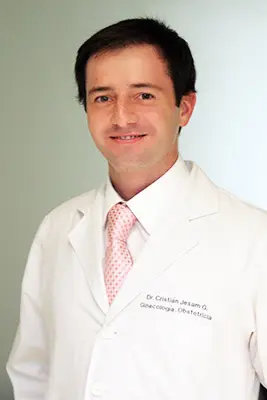
This article was medically reviewed by Dr. Cristian Jesam, MD — Reproductive Medicine Specialist, Instituto Chileno de Medicina Reproductiva (ICMER), Santiago; Associate Professor, Reproductive Medicine Unit, Universidad de Chile. Last reviewed April 2025.
Frequently Asked Questions
What does "unexplained infertility" actually mean?
Unexplained infertility means that after a standard fertility workup — semen analysis, ovulation assessment, ovarian reserve testing (AMH, antral follicle count), and hysterosalpingogram (HSG) — no clear cause of infertility has been identified. Approximately 10–15% of couples receive this diagnosis. It does not mean nothing is wrong; rather, the cause lies beyond what standard testing can detect (e.g., subtle egg quality issues, implantation problems, sperm-egg interaction problems).
Is unexplained infertility a real diagnosis?
Yes, though it is frustrating to receive. Couples with unexplained infertility often have "subclinical" issues — mild problems with egg quality, sperm function, or embryo implantation that fall within normal ranges on standard testing but still impair fertility. Advances in testing (sperm DNA fragmentation, endometrial receptivity arrays, proteomics) are beginning to uncover causes in some couples who previously had "unexplained" infertility.
What is the recommended treatment sequence for unexplained infertility?
Current ASRM guidelines suggest a stepwise approach based on age and duration of infertility:
- Conservative management (expectant therapy) — appropriate for women under 35 with less than 2 years of trying
- IUI with ovarian stimulation — 3–6 cycles; live birth rates of 8–10% per cycle
- IVF — recommended if IUI cycles fail, or as first-line treatment for women over 38 or those with >3 years of unexplained infertility
What are IVF success rates for unexplained infertility?
Couples with unexplained infertility generally have IVF success rates similar to the national average for their age group — because by definition, no clear defect impairs egg quality or embryo development. Per-transfer live birth rates for unexplained infertility under age 35 are typically 40–55%. The IVF process itself often identifies the problem (e.g., poor fertilization rates, poor embryo development) that standard workup couldn't reveal.
Should I have additional testing beyond a standard workup?
Depending on your situation, additional testing may be informative:
- Sperm DNA fragmentation — elevated in some unexplained cases
- Endometrial receptivity assay (ERA) — tests the optimal "window of implantation" for embryo transfer timing
- Laparoscopy — may reveal mild endometriosis not visible on ultrasound
- Karyotyping — chromosomal abnormalities in either partner
- Thrombophilia panel — blood clotting disorders linked to implantation failure
These tests are not universally recommended but may be worth discussing with your RE after standard treatments fail.
How long should we try naturally before seeking treatment for unexplained infertility?
The general guideline is 12 months of unprotected intercourse for women under 35, and 6 months for women 35–37. Women 38 and older should seek evaluation after 3 months. If you have unexplained infertility after evaluation, the decision to proceed to treatment depends on your age, how long you've been trying, and your tolerance for watchful waiting. Studies show spontaneous pregnancy rates of 30–40% over 3 years in couples with unexplained infertility — but these rates decline significantly with age.